Scalp Serum Showdown

Pankaj Singh
| 03-08-2026
 · Fashion team
Welcome, Lykkers! Scalp care has officially become one of my favorite parts of my hair routine. I used to focus almost entirely on shampoo, conditioner, and hair treatments, but lately I’ve been paying much more attention to what I put on my scalp too.
So, naturally, I had to try two popular scalp serums: Living Proof Scalp Care Revitalizing Treatment and Divi Scalp Serum. I haven’t been using either one long enough to say whether they actually make a difference in my hair over time, but I definitely have some thoughts on how they feel, apply, and smell.
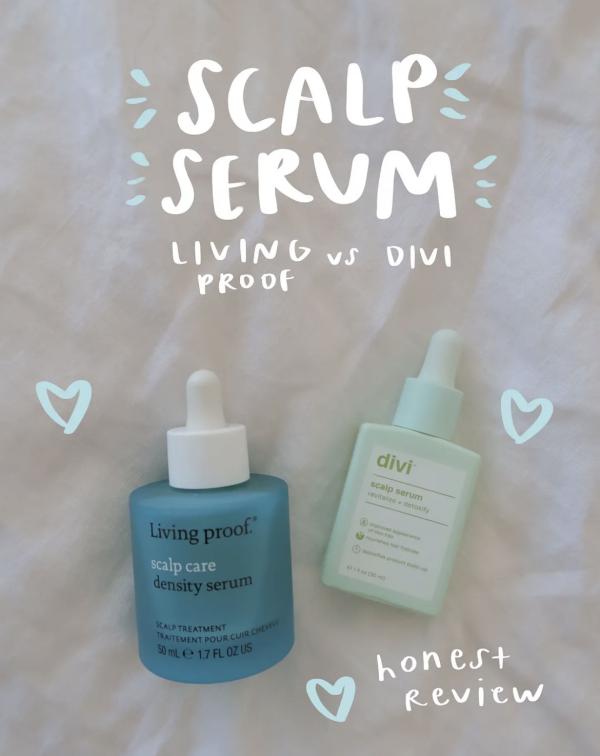
1. Living Proof Scalp Care Revitalizing Treatment
My first impression of the Living Proof serum has been really good. The formula feels lightweight and comfortable, and it doesn’t make my roots feel greasy or weighed down. I especially appreciate how easy it is to work into my routine. I can apply it during the day or at night without worrying about my hair suddenly looking oily. It absorbs nicely and leaves little to no heavy residue behind.
Still wearing makeup at bedtime? Here are the removal steps that make cleanup feel so easy!
Looking for a gentler exfoliating routine? Here are face masks worth adding to sensitive-skin days!
Fruity meets creamy vanilla in the sweetest way! Would this dreamy perfume combo suit you?
Unexpected breakouts? My favorite spot treatments always come to the rescue! Ready to see?
Tired of breakouts? My favorite acne care routine keeps me coming back for more!
Looking for budget-friendly brow gels? My favorites stay put all day! Which would you try?
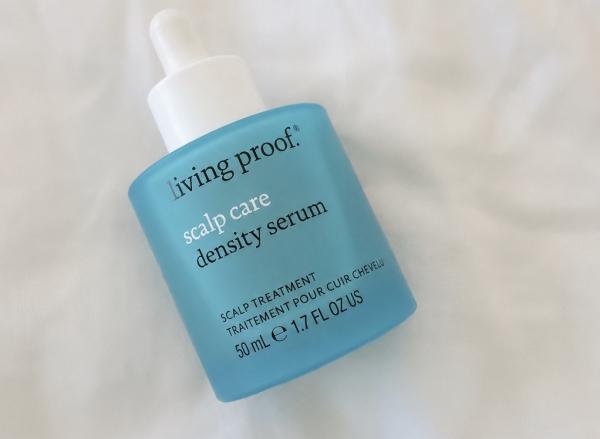
2. Divi Scalp Serum
Divi gives me a very similar first impression when it comes to the formula. It feels light, spreads easily, and doesn’t leave my roots with that greasy serum feeling I was worried about. The initial scent surprised me in a good way. Right when I apply it, I notice a fresh and slightly minty fragrance that reminds me a little of Living Proof. My only issue comes later. As the scent sits throughout the day, I notice a slightly powdery, baby-powder-like smell developing. Personally, it isn’t my favorite fragrance, and it makes me reach for Living Proof a little more often.
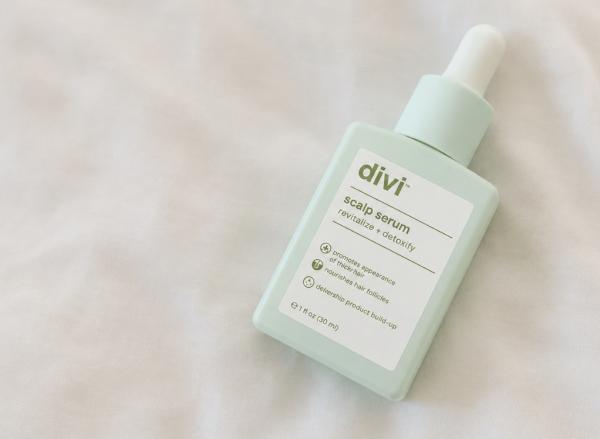
Both formulas have a lot going for them. Lightweight texture? Check. Easy application? Check. Greasy roots? Thankfully, no. For scent alone, Living Proof is winning for me so far. Divi still has plenty of time to impress me, though, because scalp care is definitely a long-game kind of routine. Right now, I’m enjoying testing both, and I’m very curious to see whether my first impressions change with continued use.