Lipstick Shades
Pardeep Singh
| 27-01-2026
 · Fashion team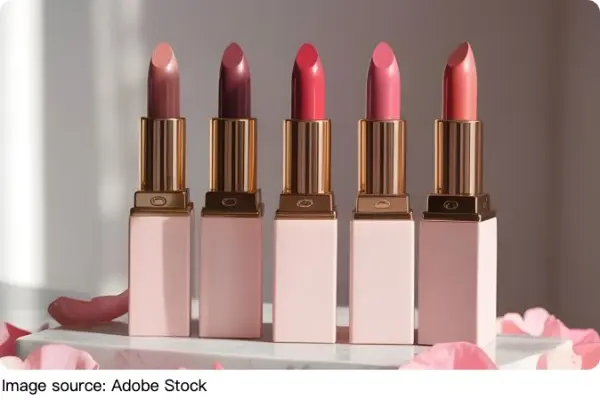
Lipstick is more than just a beauty product; it is a symbol of self-expression, confidence, and cultural shifts. Over the decades, lipstick shades have evolved alongside changes in fashion, social movements, and beauty standards.
From the bold reds of the early 20th century to the subtle shades and matte trends of recent years, the colors we choose to adorn our lips tell a story of societal transformation and individual empowerment. In this article, we’ll explore how lipstick shades have changed through the decades and the cultural forces behind those shifts.
The Early 1900s: The Rise of Red and the Birth of Modern Beauty
In the early 20th century, lipstick was often associated with luxury and femininity, and the color red was the dominant shade. During this time, Hollywood stars like Clara Bow and Greta Garbo popularized the classic red lip. The color was bold, dramatic, and symbolic of the modern woman—one who was independent, fashionable, and unapologetically visible in the public eye.
The Rise of Simple Beauty and Its Cultural Significance.
Understanding How Formulas Keep Your Skin Flawless All Day
Exploring How Glitter Makeup Became the Star of High-Fashion Events.
Understanding the Benefits and Drawbacks in Cosmetics.
The Surge in Demand for Ethical and Transparent Cosmetics.
Want to smell expensive without saying a word? These perfumes define class and timeless beauty!
The mass production of lipsticks began around 1915, when Maurice Levy, a French chemist, developed a twist-up tube for lip color. This made lipstick more accessible to women everywhere and allowed for an explosion of different shades, though red continued to reign supreme. This era marked the beginning of lipstick as a mass-market product and set the foundation for the evolution of cosmetics in the years to come.
The 1920s: Flappers and Bold, Unconventional Colors
The 1920s was a time of rebellious social change. Women fought for the right to vote, embraced short bobbed haircuts, and began experimenting with fashion and beauty. Lipstick shades became darker and more unconventional, with women opting for deep crimson, burgundy, and even purple hues. The classic red lip persisted but was joined by more daring colors.
The iconic "flapper" look became synonymous with bold lips, as actresses like Louise Brooks and Clara Bow embraced deeper, more intense shades. These colors weren’t just about looking good—they were about making a statement and expressing newfound freedom.
The 1930s and 1940s: Glamour and Sophistication
The Great Depression shaped beauty standards in ways that would have lasting effects. During the 1930s and 1940s, makeup became a way for women to feel glamorous and feminine during difficult times. Lipstick shades softened a bit, with more emphasis on pinks, corals, and softer reds.
During the 1940s, with the rise of Hollywood glamour and the influence of stars like Marilyn Monroe and Rita Hayworth, lipstick was often paired with flawless, sophisticated makeup looks. The red lip still dominated, but now it was a polished, more elegant version of the shade. Matte finishes became popular, offering a more refined and classy look than the glossy or satin finishes that had been favored before.
The 1950s: The Classic Red Lip Reigns Supreme
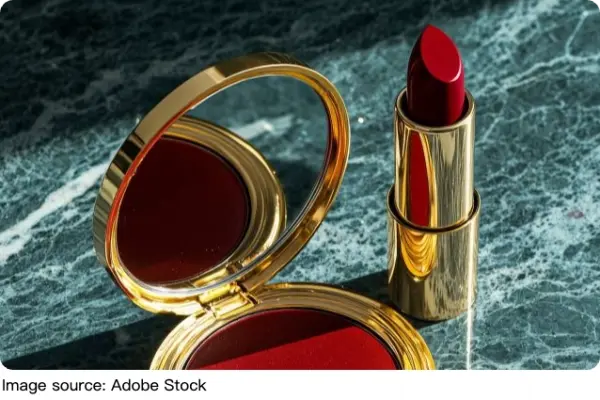
The 1950s is often considered the golden age of Hollywood glamour, with stars like Elizabeth Taylor, Grace Kelly, and Audrey Hepburn defining beauty ideals. During this time, the red lip was at its most iconic, with bold and striking hues such as cherry red, fire engine red, and ruby red becoming symbols of femininity and confidence.
The red lip was perfectly paired with cat-eye eyeliner, defined brows, and a flawless complexion. Women everywhere, from Hollywood starlets to housewives, adopted the red lip as a signature part of their look. During this era, the lipstick industry blossomed, and various brands, like Revlon and Elizabeth Arden, solidified their place in the beauty industry, introducing long-lasting formulas and an even wider range of shades.
The 1960s and 1970s: The Shift to Natural and Earth Tones
The 1960s and 1970s saw a departure from the classic red lip, as social movements and shifting beauty standards called for more natural, understated looks. The rise of the "mod" look in the early 1960s brought with it pastel pinks and neutral shades, as exemplified by icons like Twiggy. These shades provided a soft, youthful appearance and complemented the geometric fashion and bold eye makeup that defined the era.
In the 1970s, as the counterculture movement and the rise of feminism encouraged women to embrace their natural beauty, lipstick shades became even more subdued. Browns, terracotta, and beige dominated the scene, reflecting the era’s embrace of earthy, grounded tones. The "au naturel" look encouraged women to wear makeup that enhanced their features without overpowering them.
The 1980s: Bold Colors and Power Dressing
The 1980s were all about excess and power. Bright, bold lipstick shades became a statement of strength, independence, and individuality. Women in the workforce, inspired by the rise of corporate power dressing, chose bright fuchsias, bold reds, and vibrant pinks to add a pop of color to their sharp suits and shoulder pads.
The decade saw the rise of iconic beauty brands like popular beauty brands, which catered to a wide range of colors and bold statements. Glossy finishes were also popular, creating a high-shine effect that matched the high-energy vibe of the era. Women in the 1980s were unafraid to stand out, and their lipstick choices were a reflection of this confidence.
The 1990s: The Era of Matte and Neutral Lips
The 1990s brought about a major shift in lipstick trends. The bright, bold colors of the 1980s were replaced with more muted, earth-toned shades, including brown, mauve, and deep plum. The "grunge" aesthetic, championed by musicians like Courtney Love, encouraged darker, moodier lipstick shades, often paired with minimal makeup or an edgy look.
Matte lipstick made a huge comeback during this period, as women began to embrace more subtle, refined finishes. The Neutral lip also gained popularity, with shades that matched natural lip tones becoming staples in makeup bags. This was an era of minimalism, where the focus was on understated beauty with a hint of rebellion.
The 2000s and Beyond: A Return to Bold and Diverse Shades
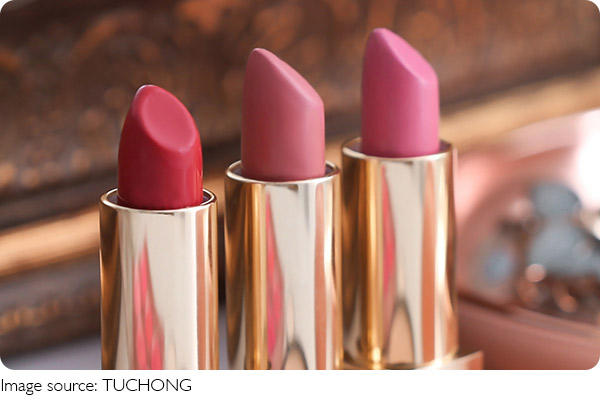
In the 2000s and beyond, lipstick trends became more diverse and inclusive, offering a wider range of shades for every skin tone. The return of bold colors, like bright reds, pinks, and even oranges, was seen alongside the growing popularity of neutral shades, brown, and plum shades.
In recent years, the focus has shifted to individual expression, with lipstick brands offering a variety of formulas and finishes—from glossy to matte, to liquid lipsticks. The rise of social media influencers and beauty vloggers has further driven the demand for new and innovative lipstick products, with consumers eager to experiment with new shades and techniques.
Conclusion: Lipstick as a Cultural Reflection
The evolution of lipstick shades reflects the changing values, aesthetics, and cultural movements of each era. From the bold reds of the early 20th century to the neutral tones of the '90s and the vibrant diversity of modern times, lipstick has remained a powerful tool for self-expression. As beauty standards continue to evolve, so too will the lipstick shades that reflect those changes. The journey of lipstick through the decades is a testament to the power of beauty and its ability to adapt to the times while empowering individuals to express themselves boldly and confidently.