The Science of Foundation

Amina Hassan
| 27-01-2026
 · Fashion team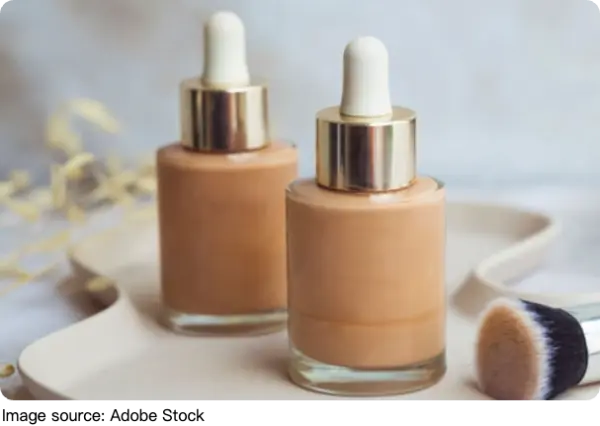
Foundations have come a long way since their inception, evolving from simple cosmetic products to complex formulas designed for long-lasting wear. For many, finding the perfect foundation that stays put throughout the day is a crucial aspect of their beauty routine. But have you ever wondered what makes some foundations last longer than others?
This article dives into the science behind long-lasting foundations, exploring the key ingredients, technology, and formulation techniques that contribute to their enduring power.
The Role of Skin Preparation in Foundation Longevity
Before delving into the science of foundations themselves, it's important to understand that the foundation's ability to last throughout the day is heavily influenced by skin preparation. Clean, moisturized skin provides a smooth canvas for foundation, helping it adhere better. Primer, which is often used in conjunction with foundation, plays a pivotal role. It creates a barrier between your skin and the makeup, ensuring that the foundation stays in place for longer periods of time. Primers that contain silicone-based ingredients, such as dimethicone, form a smooth, velvety texture that helps to lock in the foundation and prevent it from settling into fine lines or pores.
Exploring How Glitter Makeup Became the Star of High-Fashion Events.
Understanding the Benefits and Drawbacks in Cosmetics.
The Surge in Demand for Ethical and Transparent Cosmetics.
Want to smell expensive without saying a word? These perfumes define class and timeless beauty!
Just SPF and vibes! Testing if skin tints can handle heat, sweat, and long sunny days!
Smooth, glossy, and addictive—are these the best lip balms ever or just hype?!
Moreover, the skin's natural oil production and environmental factors like humidity can impact how long foundation lasts. Foundations with oil-controlling or mattifying properties help prevent the makeup from breaking down or becoming shiny throughout the day.
Key Ingredients for Long-Lasting Foundations
To understand the longevity of foundations, it is essential to look at the ingredients that give them their staying power. There are several key components that make long-lasting foundations work effectively:
1. Silicones – Ingredients like dimethicone, cyclopentasiloxane, and trimethicone are commonly used in foundations to create a smooth, non-greasy finish. Silicones form a flexible layer on the skin, allowing the foundation to adhere better while maintaining its elasticity, even with face movements.
2. Film-forming agents – Ingredients like acrylates, copolymers, and polyvinyl acetate are film-formers that help to create a thin, continuous layer on the skin. This film locks the foundation in place, providing a barrier that resists fading, transfer, or smudging.
3. Water-resistant compounds – Some foundations are formulated with water-resistant ingredients, such as silica or titanium dioxide, which are used to reduce the likelihood of makeup washing away due to sweat or moisture.
4. Oil-absorbing ingredients – Foundations designed for oily skin often include ingredients like kaolin clay, salicylic acid, or zinc oxide. These components help control excess oil production, keeping the foundation intact even on the most humid days.
5. Micropigments – Micropigments are smaller particles of color that help the foundation adhere more evenly to the skin. These pigments are designed to stay put for extended periods, ensuring consistent coverage and preventing streaking or uneven wear.
Formulation Techniques That Enhance Durability
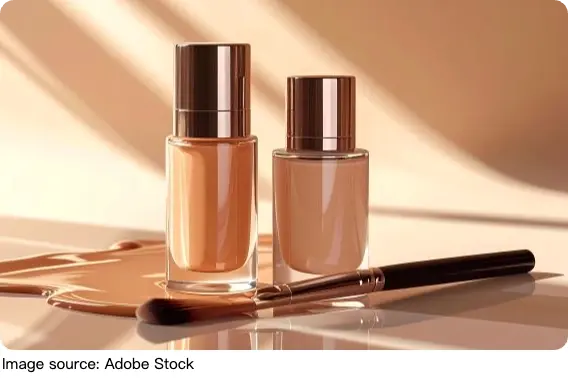
While the right ingredients are crucial for long-lasting wear, how these ingredients are combined and processed plays a vital role in a foundation's performance. For example, airless pumps or airtight packaging are commonly used for foundations to prevent contamination or evaporation, which could affect the formula's effectiveness. Advanced blending techniques ensure that the ingredients are evenly distributed, enhancing the foundation's ability to stay intact without separating or breaking down throughout the day.
Additionally, many long-lasting foundations undergo a process called "cross-linking," in which polymer chains are chemically bonded together to create a stronger, more resilient foundation. This process helps to improve the foundation's resistance to environmental factors such as sweat, heat, or humidity, while maintaining its smooth, flawless finish.
Understanding Coverage and Finish for Long-Wear Foundations
Different types of foundations offer varying levels of coverage and finishes, each impacting their longevity. Full-coverage foundations often last longer because they contain higher concentrations of pigments, allowing them to adhere better and resist fading. Foundations with buildable coverage also tend to have longer wear times since they can be layered for a more customized finish.
The finish of the foundation also plays a significant role in how long it lasts. Matte foundations tend to hold up better throughout the day, especially for those with oily or combination skin. The matte finish helps control excess oil and keeps the foundation in place. On the other hand, dewy or satin finishes, which are popular for dry or normal skin, may require touch-ups throughout the day due to their tendency to move or fade faster.
Technological Advances in Long-Wear Foundation
The science behind long-lasting foundations has benefited from recent technological advancements. One of the most notable innovations is the use of microencapsulation. In this process, tiny capsules are created to hold active ingredients, like moisturizers or sun protection, which are then released gradually throughout the day. This not only helps maintain the foundation's finish but also provides added skincare benefits that extend the life of your makeup.
Another significant technological breakthrough is the development of "smart" foundations that adapt to your skin's needs throughout the day. These foundations are designed to adjust based on changes in temperature, moisture levels, and oil production, ensuring that they stay fresh and intact, no matter what the day brings.
The Impact of Environmental Factors on Foundation Longevity
Even the best-formulated foundation can struggle to last in certain environmental conditions. Humidity, for example, can cause makeup to break down or slide off the skin, particularly in areas with high heat or sweat. However, foundations with oil-control and long-wearing properties can withstand these challenges by reducing oil production and preventing moisture from disrupting the formula.
Pollution also plays a role in how long foundations last. Foundations with antioxidants, such as vitamin C and E, can help protect the skin from environmental stressors that might cause makeup to degrade prematurely.
The Future of Long-Wear Foundations
As consumers continue to seek high-performance products, the future of long-wear foundations looks bright. With increasing demand for sustainable and eco-friendly products, we can expect to see more foundations with biodegradable packaging and clean, cruelty-free ingredients. Additionally, as skincare and makeup become more integrated, future formulations may include even more advanced technologies to hydrate, protect, and perfect the skin, all while ensuring long-lasting wear.
In conclusion, long-lasting foundations are the result of carefully crafted formulations that balance the science of ingredients with cutting-edge technology. Whether through the use of silicones, film-forming agents, or smart polymer systems, these foundations are designed to withstand the elements and keep your skin looking flawless throughout the day. With the right combination of products and techniques, anyone can achieve a smooth, long-lasting makeup look that will stay put, no matter the conditions.