Jewelry Match Magic

Owen Murphy
| 29-12-2025
 · Fashion team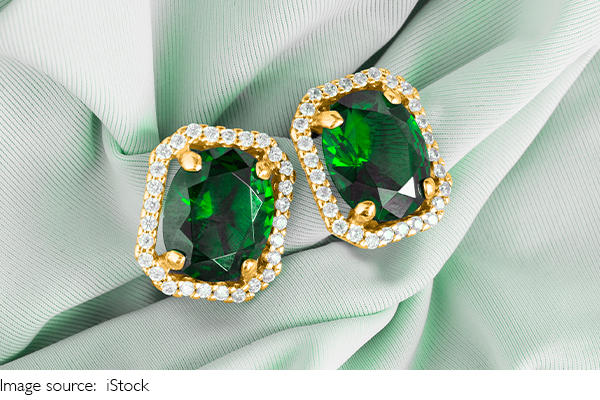
Have you ever stared at your jewelry collection and wondered how to make it all work together?
It's easy to feel overwhelmed by the different pieces you own—rings, necklaces, bracelets, and earrings—but when paired correctly, jewelry can transform any outfit.
Whether you're dressing up for a night out or adding a little sparkle to your everyday look, knowing how to match your jewelry can elevate your style to a whole new level. Here's how to do it!
Start with the Basics: Metals and Stones
When pairing jewelry, the most basic rule is to keep the metals and stones in mind. Jewelry often comes in a mix of metals like gold, silver, or platinum, and can feature gemstones of various colors. Finding balance between these elements ensures a cohesive look.
From creamy tints to bold beats—Milk vs MUFE! Which brand really rules your look?!
Understanding the key differences in quality, value, and production.
Want soft, frizz-free hair without heat? Try this air-dry routine that keeps strands smooth!
How to wear a coat that elevates your look to high-end fashion.
Discover how to create a wardrobe that speaks your personality.
Which body mist smells freshest? Check them out now! Feel the vibe, smell the magic!
How to Mix Metals and Stones
Stick to One Metal: If you're just starting out, keeping the metals consistent (for example, all gold or silver) is the safest bet. A gold necklace and matching gold earrings will always look sleek and polished.
Complementary Gemstones: Choose gemstones that complement each other. For instance, pairing a ruby necklace with emerald earrings can create a stunning contrast, while keeping the tones of the gems harmonious.
The key here is moderation—if you're using multiple metals, try to stick to two or three at most, and ensure the colors work together to avoid clashing.
Matching Jewelry to Your Outfit
The way you pair jewelry should also reflect the type of outfit you're wearing. Jewelry is meant to enhance your style, so it's important to align your accessories with the mood of your outfit.
How to Choose Jewelry for Your Outfit
Casual Outfits: For a simple t-shirt and jeans look, delicate gold or silver pieces work best. A small pendant or thin bracelet adds just the right amount of charm without feeling overdone.
Formal Wear: When wearing a dress or suit, it's okay to go bold. A statement necklace or a pair of chandelier earrings can bring elegance and drama to your outfit. Pair them with a subtle bracelet or watch to keep it balanced.
Themed or Trendy Looks: If you're going for a specific theme, like boho or vintage, choose jewelry that matches that vibe.
For example, a flowy dress pairs beautifully with layered necklaces and chunky rings, while a sleek black dress can be complemented with bold, geometric jewelry.
Always remember that your jewelry should feel like a natural extension of your outfit—not something that competes with it.
Layering Jewelry Like a Pro
Layering jewelry has become a huge trend, but there's an art to doing it right. Mixing multiple pieces can create a stylish, personalized look, but it can also feel overwhelming if you don't know where to start.
How to Layer Jewelry
Necklaces: Start with a simple base necklace, like a thin chain, and layer with slightly thicker pieces or ones with pendants. Make sure there's enough space between each layer to avoid it looking too crowded.
Bracelets and Bangles: Stack thin, dainty bracelets with a chunky statement bangle for a chic look. Keep the metal types consistent, or mix gold and silver for a more eclectic style.
Rings: When layering rings, choose one or two statement rings and mix them with more delicate bands. Avoid overloading your fingers with too many bold pieces, as it can distract from your overall look.
Layering is all about balance—don't go too heavy on any one piece, and always leave some breathing room between the layers for a stylish, balanced appearance.
Choosing Jewelry Based on Your Face Shape
It's often overlooked, but choosing jewelry that complements your face shape can make a huge difference in how it frames your features. Earrings, in particular, can highlight your face's natural contours.
How to Match Jewelry to Your Face
Round Faces: If you have a round face, go for earrings with length, like dangly or teardrop styles. These elongate your face and add an elegant touch.
Oval Faces: Most jewelry styles look great on oval faces, but round earrings or short studs will balance out the longer shape of your face.
Square Faces: If you have a square jawline, choose round or soft-shaped jewelry to soften the angles. Hoop earrings or circular necklaces work wonderfully.
By selecting jewelry that complements your face shape, you can enhance your natural features and create a more flattering overall look.
Color Coordination: Matching Jewelry with Your Wardrobe
Lastly, color plays a crucial role in how jewelry enhances an outfit. Coordinating your jewelry with the color scheme of your clothing is a great way to make your accessories pop without overwhelming your look.
How to Match Jewelry Colors
Neutral Tones: If you're wearing black, white, or gray, almost any metal or gemstone works well. Try mixing a silver necklace with a deep red ruby ring for a chic contrast.
Bold Colors: If your outfit is already bold and colorful, keep the jewelry more subtle. A simple gold bracelet or a pair of stud earrings can add just the right touch without competing with your clothes.
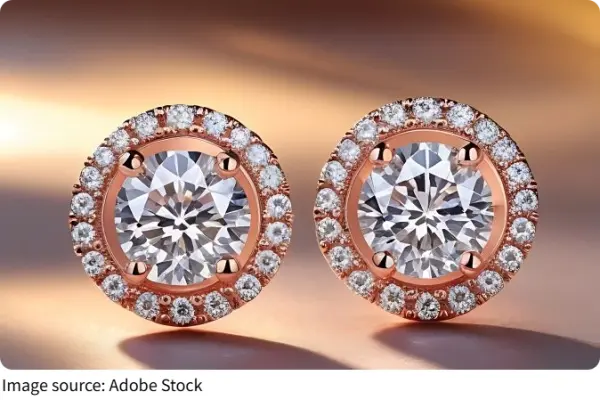
Pastels: For light colors like soft pinks, blues, and lavender, opt for soft metals like rose gold or silver. Gemstones like aquamarine or moonstone pair beautifully with pastel clothing.
Consider the mood and tone of your outfit when choosing jewelry colors to create a balanced and harmonious look.
Final Thoughts: Trust Your Style Instincts
Jewelry is a fun and creative way to express your personal style, and there's no wrong way to wear it as long as it feels authentic to you. The key to mastering jewelry matching lies in understanding your own preferences, experimenting with different combinations, and knowing when to keep it simple versus when to go bold.
So the next time you're putting together an outfit, don't be afraid to layer, mix metals, or add a pop of color. Jewelry can truly make a statement, so let your accessories tell your story.