Turquoise Worth
Ethan Sullivan
| 29-12-2025
 · Fashion team
There's something captivating about turquoise. Its vivid, sky-blue hue has drawn people in for centuries, from ancient civilizations to modern-day jewelers. But is turquoise worth collecting?
Whether you're a seasoned collector or just starting, understanding the true value and allure of turquoise is key to determining if it's a worthy addition to your collection.
The Allure of Turquoise: A Rich History
Turquoise has been revered for thousands of years, often seen as a symbol of protection, wisdom, and health. Ancient Egyptians wore it as jewelry, believing it could bring good fortune, while Native American tribes used it in ceremonial adornments. Its history and cultural significance make it a fascinating gem to collect.
How to wear a coat that elevates your look to high-end fashion.
Discover how dressing well and accessorizing can boost your attractiveness!
Discover how to choose, apply, and maintain nail polish like a pro!
How to choose sunglasses that suit your style and needs!
Understanding the key differences in quality, value, and production.
Master the art of pairing jewelry to elevate any outfit.
Why people collect turquoise:
Ancient use: The stone's historical importance adds to its mystique.
Symbolism: It represents protection, wisdom, and connection to nature.
Versatility: It has been used in everything from jewelry to ornamental objects.
For collectors, turquoise isn't just about the aesthetics—it's about owning a piece of history that has been cherished by different cultures for millennia.
Factors That Impact Turquoise's Value
Not all turquoise is created equal. When considering whether turquoise is worth collecting, it's important to understand the factors that influence its value. Quality varies depending on the source, color, and overall condition of the stone.
Key factors that affect turquoise value:
Color: The most prized turquoise is a vibrant blue, often described as "robin's egg" blue. Greenish or dull turquoise is typically less valuable.
Rarity: Turquoise from certain regions, like the Persian or Sleeping Beauty mines, can command higher prices due to their rarity and unique characteristics.
Matrix: The matrix refers to the patterns and veins within the stone. While a clean, solid turquoise stone is desirable, some collectors appreciate a natural matrix, as it adds character and uniqueness.
Condition: Well-preserved turquoise, free from cracks or discoloration, is more valuable than stones that have been damaged or improperly treated.
Knowing these factors can help you identify which pieces are worth investing in. High-quality turquoise can increase in value over time, especially if it comes from a reputable mine or has a unique characteristic.
Turquoise in Jewelry and Art: Collecting for Beauty
While the financial value of turquoise is important, many collectors are drawn to the beauty and artistry of turquoise jewelry and art. Turquoise has been a favorite material for artists and jewelers alike, from traditional Native American silverwork to modern designs.
Collecting turquoise jewelry offers these benefits:
Timeless appeal: Turquoise jewelry never goes out of style, offering both investment value and aesthetic enjoyment.
Unique designs: Many turquoise pieces are one-of-a-kind, especially handcrafted jewelry or art pieces.
Cultural significance: For those interested in indigenous arts, turquoise jewelry often carries deep cultural meaning and craftsmanship.
By collecting turquoise jewelry, you not only acquire a beautiful piece but also support artists and traditions that have kept the craft alive for generations.
Buying and Caring for Turquoise
To build a valuable turquoise collection, it's important to know how to buy and care for the stones. Since turquoise is relatively soft compared to other gemstones, it requires proper maintenance to ensure it retains its vibrancy and beauty.
Tips for buying turquoise:
Buy from trusted sources: Always buy from reputable dealers who provide information on the stone's origin, quality, and treatment.
Check for treatment: Some turquoise is treated to enhance its color or durability. While treated turquoise can still be beautiful, untreated stones are typically more valuable.
Understand the mine: The origin of the turquoise can greatly affect its value. Stones from certain mines, like the Sleeping Beauty mine, are highly prized.
Caring for turquoise:
Avoid water: Since turquoise is porous, exposure to water can cause it to lose color or become damaged.
Store properly: Keep turquoise in a soft cloth or pouch to avoid scratches from harder gemstones.
Regular cleaning: Gently clean your turquoise with a soft cloth to maintain its luster, but avoid harsh chemicals.
Proper care ensures that your turquoise pieces remain in top condition for years to come, preserving their beauty and value.
Is Turquoise Worth Collecting? Final Thoughts
Whether turquoise is worth collecting depends on what you're looking for in a gem. If you value history, culture, and beauty, turquoise offers all of that in one vibrant stone. Its rarity and varying qualities also make it a wise investment for collectors who understand its value.
For those drawn to unique, handcrafted jewelry or artistic pieces, turquoise's timeless appeal and versatility make it an excellent choice. Plus, the joy of owning a piece of history is an added bonus that goes beyond its monetary value.
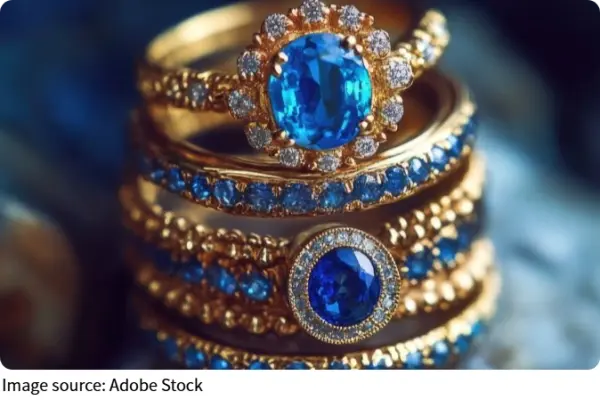
If you're new to collecting or considering adding turquoise to your collection, focus on quality, authenticity, and personal preference. Whether it's for the financial value or the sheer beauty, turquoise is definitely worth considering as part of your collection.