Blue Gemstone Guide

Mason O'Donnell
| 11-08-2026
 · Fashion team
Blue gemstones are admired for their distinctive color, brilliance, and variety. From delicate pale blue to rich, vivid shades, each gemstone offers a different combination of durability, rarity, clarity, and value.
Understanding these differences helps buyers and collectors appreciate each gem and choose one suited to its intended use.
Popular Blue Gemstones
Aquamarine is a blue to slightly greenish-blue variety of beryl. It is valued for its transparency, attractive color, and good durability, with a Mohs hardness of approximately 7.5–8.
Blue topaz is a blue variety of topaz. Natural strong-blue topaz is rare, while much of the blue topaz used in jewelry is produced through irradiation followed by heat treatment. With a Mohs hardness of 8, it resists scratching well but has pronounced cleavage and should be protected from sharp impacts.
Discover how pearls bring refined beauty, versatility, and effortless style to everyday and special-occasion looks
Discover zircon’s natural colors, remarkable sparkle, distinctive optical properties, durability, and extraordinary geological history
How rings express commitment, identity, tradition, craftsmanship, and personal style
Looking for smooth coverage? Give these standout concealers a closer look!
Easy makeup days begin with foundations that keep skin looking smooth!
Pretty nails can be fast, easy, and ready for every occasion!
Blue sapphire is a variety of corundum and is highly valued for its durability. With a Mohs hardness of 9, it is well suited to jewelry intended for regular wear. Its blue color is commonly associated with iron and titanium within its crystal structure.
Tanzanite is known for its blue to blue-violet color and distinctive optical character. With a Mohs hardness of approximately 6–7, it is softer than sapphire and requires careful handling. Heat treatment is commonly used to produce or enhance its blue-violet appearance.
Turquoise is an opaque gemstone recognized for its blue to blue-green colors. Its distinctive color, texture, and natural patterns contribute to its appeal. With a Mohs hardness of about 5–6, it generally requires more care than harder blue gemstones.
Color, Cut, and Appearance
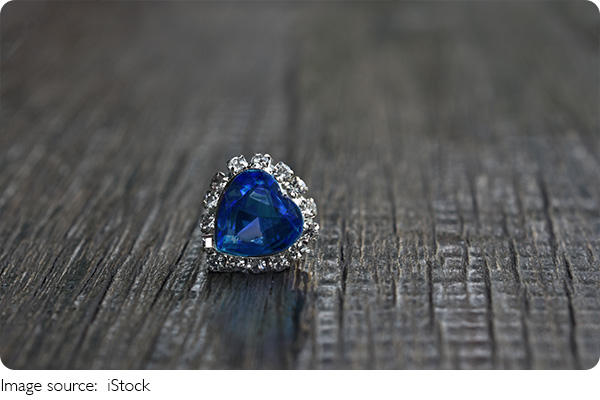
A gemstone’s blue color is influenced by its chemical composition and crystal structure. Trace elements such as iron, copper, and titanium can contribute to blue coloration, although the cause varies between minerals. These differences create the wide range of blue shades found in natural gemstones.
When evaluating color, hue describes the basic color, saturation indicates its intensity, and tone describes how light or dark it appears. The ideal combination varies by gemstone and personal preference.
Clarity is particularly important for transparent gemstones because fewer visible inclusions can allow more light to pass through the stone. For opaque gemstones such as turquoise, surface appearance, texture, and natural pattern are more important than transparency.
Cut quality affects how effectively a gemstone interacts with light. A well-executed cut can improve brightness, scintillation, and visual balance, although the best approach depends on the gemstone’s optical properties, structure, and intended design.
Durability, Treatments, and Value
Mohs hardness measures resistance to scratching but does not determine overall durability. Cleavage, toughness, fracture resistance, crystal structure, and setting design also affect how well a gemstone withstands everyday wear.
Sapphire is particularly suitable for frequently worn jewelry because of its high hardness. Aquamarine and blue topaz can also be durable choices when properly protected, while tanzanite and turquoise generally require greater care.
Some blue gemstones may be treated to modify or enhance their appearance. Irradiation and heat treatment are commonly used for blue topaz, while heat treatment is commonly used for tanzanite. Sapphire may also undergo heat treatment or other treatments to modify its color or clarity.
Treatment does not automatically indicate poor quality, but it can affect value and should be disclosed when known. Professional gemological documentation can help identify the material and disclose detectable treatments.
Value depends on several factors, including color, clarity, cut, size, rarity, durability, and treatment status. Origin can also influence value for certain gemstones, although its importance varies by material and market. A larger stone is not necessarily more valuable if its overall quality is lower.
Choosing a Blue Gemstone
The best blue gemstone depends on its intended use and the qualities that matter most to the buyer. For everyday jewelry, durability may be a priority, while collectors may focus more on rarity, exceptional color, natural characteristics, or overall quality.
Before purchasing, consider the gemstone’s color, transparency or texture, cut, hardness, treatment status, and available documentation. Looking at these factors together provides a clearer understanding of a gemstone’s beauty, practicality, and value.
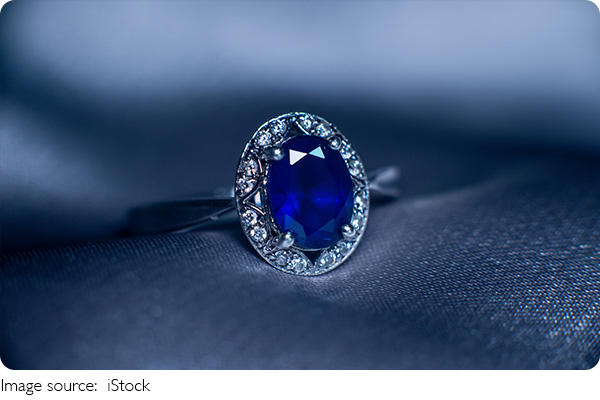
Blue gemstones offer an impressive range of colors, brilliance, and natural characteristics. Sapphire, aquamarine, blue topaz, tanzanite, and turquoise each have distinct qualities that make them appealing for different purposes.
By understanding their color, appearance, durability, treatments, and value factors, buyers and collectors can make more informed choices and select a gemstone that suits their style, needs, and intended use.