Natural vs Synthetic

Chris Isidore
| 18-03-2026
 · Fashion team
Natural fragrances come from raw materials like flowers, fruits, spices, and woods. These substances are extracted using methods like distillation, cold pressing, or solvent extraction. For example, the scent of rose petals is captured through distillation to make rose oil, which is one of the most common natural fragrance components.
Natural fragrances are often seen as pure, sustainable, and less likely to cause irritation to the skin. They appeal to consumers who value eco-friendly products or are sensitive to chemicals. However, creating natural perfumes can be resource-intensive.
Some flowers and fruits used for essential oils, like jasmine and sandalwood, require large quantities of the plant material to extract a small amount of fragrance, which can contribute to environmental strain. Additionally, natural fragrances can be more volatile than synthetics, meaning they may not last as long on the skin.
Discover the must‑wear dress trends of spring and how to style them for everyday elegance
Tired of unwanted hair? These three tools make removal easy, fast, and skin-friendly!
Two mascaras, one winner! Which one gives longer lashes without clumps?
Say goodbye to dryness! Which powders actually keep skin smooth and soft?
Classic red never fades! Which luxury shade wins your heart?
Bold lips in one swipe! Could red lipcream be your new favorite?
What Are Synthetic Fragrances?
Synthetic fragrances, on the other hand, are created using man-made chemical compounds. These are often derived from petrochemicals or other synthetic sources, and the formulas can mimic the scent of natural ingredients or create entirely new, unique fragrances. A synthetic fragrance may include components like aldehydes, esters, and alcohols, which can be tailored to create specific notes that would be challenging to replicate naturally.
While synthetic fragrances can have a longer-lasting power than their natural counterparts, their appeal often lies in the ability to create complex and consistent scents at a lower cost. Unlike natural oils, synthetic fragrances are not affected by seasonal variations or scarcity of plant materials. They also tend to be more stable in different environments and have a longer shelf life.
Pros and Cons of Natural Fragrances
Advantages:
• Purity and Authenticity: Natural fragrances often carry a sense of authenticity that appeals to people who value natural products.
• Skin Sensitivity: Some people find that natural fragrances are gentler on their skin, as they are free from synthetic chemicals that may cause irritation.
• Eco-friendliness: Many natural fragrance products come from sustainable sources, and brands are increasingly focusing on environmentally friendly practices like using biodegradable packaging.
Disadvantages:
• Cost and Rarity: Natural fragrances tend to be more expensive because they require large quantities of raw materials. Limited availability of certain flowers, like roses or ylang-ylang, can make these fragrances pricier and harder to source.
• Longevity: Natural fragrances tend to fade quicker because they lack the stabilizers and preservatives that synthetic fragrances often contain. The scent might be more subtle, but it doesn't last as long.
Pros and Cons of Synthetic Fragrances
Advantages:
• Long-Lasting: Synthetic fragrances are typically more durable and stable than natural ones. They are less likely to dissipate quickly and can maintain their scent for hours.
• Affordable and Consistent: Synthetic scents are often cheaper to produce and can be manufactured in large quantities, making them a more affordable option for many consumers. They can also be made in consistent batches, ensuring that the scent remains the same every time you purchase it.
• Innovation: Synthetic fragrances allow for the creation of completely new and unique scents that do not exist in nature, offering a broader range of options for consumers. These fragrances can blend a variety of notes that would be difficult or impossible to replicate naturally.
Disadvantages:
• Skin Sensitivity: Some synthetic chemicals, particularly in cheaper fragrances, may cause allergic reactions or irritations for sensitive individuals.
• Environmental Impact: Synthetic fragrances, particularly those derived from petrochemicals, can have a larger environmental footprint. The production processes involved in creating these fragrances may contribute to pollution or other environmental harm.
The Hybrid Approach: Combining Natural and Synthetic
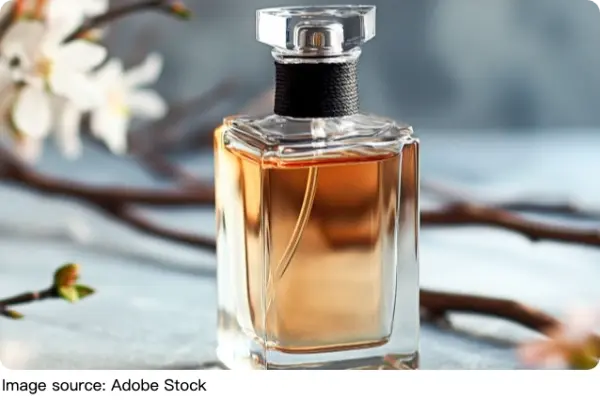
While both natural and synthetic fragrances have their distinct advantages and drawbacks, many modern perfumes use a combination of both. This hybrid approach allows perfume makers to create more complex, longer-lasting scents while maintaining some degree of authenticity. For example, natural ingredients like vanilla or lavender may be used as base notes, while synthetic compounds might be added to enhance the longevity or add unique top notes.
This blend can offer the best of both worlds: the richness and complexity of natural ingredients, combined with the durability and consistency of synthetics. Some high-end brands are even creating fragrances with a high percentage of natural ingredients, but they still rely on synthetics to give the scent longevity and structure.
Choosing Between Natural and Synthetic
The decision between natural and synthetic fragrances ultimately comes down to personal preference and priorities. If you're someone who prioritizes eco-friendliness and natural ingredients, you might prefer natural fragrances. If you're looking for a perfume that lasts longer and is more affordable, synthetic fragrances might be the way to go.
Additionally, consider the type of fragrance you're drawn to. Some natural fragrances, such as those derived from citrus or floral oils, are light and refreshing, perfect for daytime wear. Synthetic fragrances, on the other hand, tend to be richer and more versatile, making them ideal for evening or special occasions.
The Future of Fragrances
As consumers become more mindful of what they put on their skin and the environmental impact of their purchases, the fragrance industry is evolving. More brands are investing in eco-friendly practices, offering a wide range of natural, sustainable, and cruelty-free perfumes.
Simultaneously, synthetic fragrances continue to advance, with innovations that improve both the longevity and complexity of scents. Whether you prefer the pure essence of nature or the creative possibilities of synthetic chemistry, there's a fragrance out there for every individual. The beauty of perfume lies in its versatility, and the choice between natural and synthetic is just one of the many ways you can express your personal style.