Skin Routine Order

James Carter
| 27-01-2026
 · Fashion team
Every great skincare routine begins with cleansing. Choosing the right cleanser depends on our skin type. For oily skin, gentle foaming cleansers help remove excess oil without drying out the skin. Dry skin works better with creamy or mousse cleansers that maintain natural moisture.
Sensitive skin should use fragrance-free gel or cream cleansers, leaving the skin soft after washing. In the morning, sometimes just warm water is enough to wake up our skin. At night, it’s essential to thoroughly remove sunscreen and makeup.
Heavy makeup works best with cleansing oils or balms, while light makeup can be removed with micellar water. A clean face is the foundation for the next steps to truly work.
Hydrate While Skin Is Fresh
Eye wrinkles bugging you? Retinol creams can help! Which ones calm and smooth without irritation? See here!
Caught the K-beauty craze? These favorites keep my skin fresh and smooth! Want glass skin too? Let’s talk!
Tried and loved these K-Beauty picks! Ready to glow up your routine? Don’t miss out on these fan faves!
Cheap powders vs luxe ones—which set skin flawless? See the full range rated!
Which products top my vanity? Current faves delivering glow and grip all day!
Need lips that pop? These care finds erase dryness for good! Ready now?
We should apply toner or hydrating essence within three minutes after cleansing. At this point, our skin is most receptive. Oily skin can use toners with oil-control ingredients to help balance excess sebum. Dry skin benefits from hydrating toners containing humectants like hyaluronic acid or glycerin. Sensitive skin prefers soothing sprays with minimal additives to calm the skin.
Using cotton pads can double-cleanse, but gently patting toner directly is softer and protects the skin barrier. High-performance essences should follow a basic toner for better absorption.
Apply Targeted Treatments
Next, we layer serums or treatments based on texture—from thin to thick. Anti-aging serums work best at night. Brightening serums should avoid the eye area. Spot treatments for acne are applied directly, and products with active acids should be introduced gradually to avoid irritation. Eye serums go on before moisturizer, gently tapped in with the ring finger.
If using multiple serums, wait 1–2 minutes between each to prevent reactions. Potent ingredients like retinol should be applied last. Layering this way ensures each product works efficiently without clashing with others.
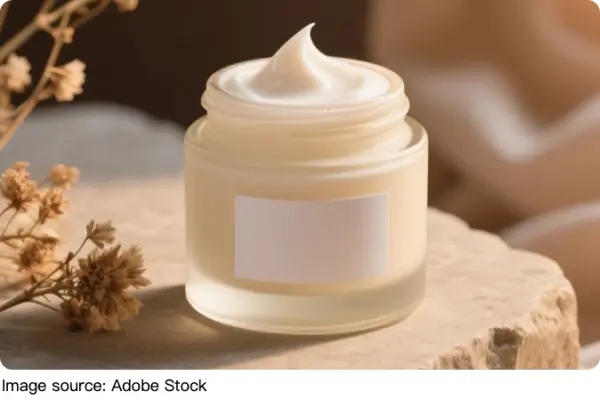
Lock in Moisture
Moisturizers seal in hydration and treatments. Oily skin can use lightweight, oil-free gels or lotions. Dry skin may need richer creams with nourishing oils and emollients. For combination skin, we can treat zones differently—lighter lotion on the T-zone and richer cream on the cheeks.
Night creams can be more nourishing, while morning creams should be lighter. Warming the cream in our palms before gently pressing it onto the face avoids tugging the skin. Using heavy creams under makeup can cause pilling, so it’s best to pick the right texture for the time of day.
Always Finish with Sunscreen
Sunscreen is the final step in a daytime routine. Even on cloudy days or indoors near windows, UVA rays can get through glass, so SPF is essential. Daily use of SPF 30–50 with broad-spectrum protection works well. Sensitive skin can choose physical blockers that are gentle on the skin. Waterproof sunscreens require proper cleansing afterward.
For reapplication during the day, sprays or sticks are convenient. After makeup, SPF powders can refresh protection. Adjust sunscreen type and application depending on seasons and activity for maximum protection.

Adjust According to Skin and Season
Our routine isn’t the same all year. In summer, we can simplify to cleansing, hydrating, and sunscreen. In dry winter months, extra moisturizing is crucial. Always patch-test new products behind the ear to check for reactions. Avoid combining multiple acidic ingredients, like vitamin C and AHA, at the same time. Exfoliation helps absorption but should be done no more than once a month for sensitive skin.
If persistent redness, stinging, or swelling occurs, stop the product and consult a dermatologist. Pairing your routine with good sleep, balanced meals, and light exercise amplifies results.
Lykkers, by following the correct order and adjusting products to your skin type and season, we can maximize every drop of our skincare and enjoy healthy, glowing skin every day!